The useful bit, first
- Map the specific sightline you want to soften before covering the whole balcony.
- Try moving seating or using indoor window coverings before adding outdoor screening.
- Check building approval, fire guidance, and product weather instructions for any screen.
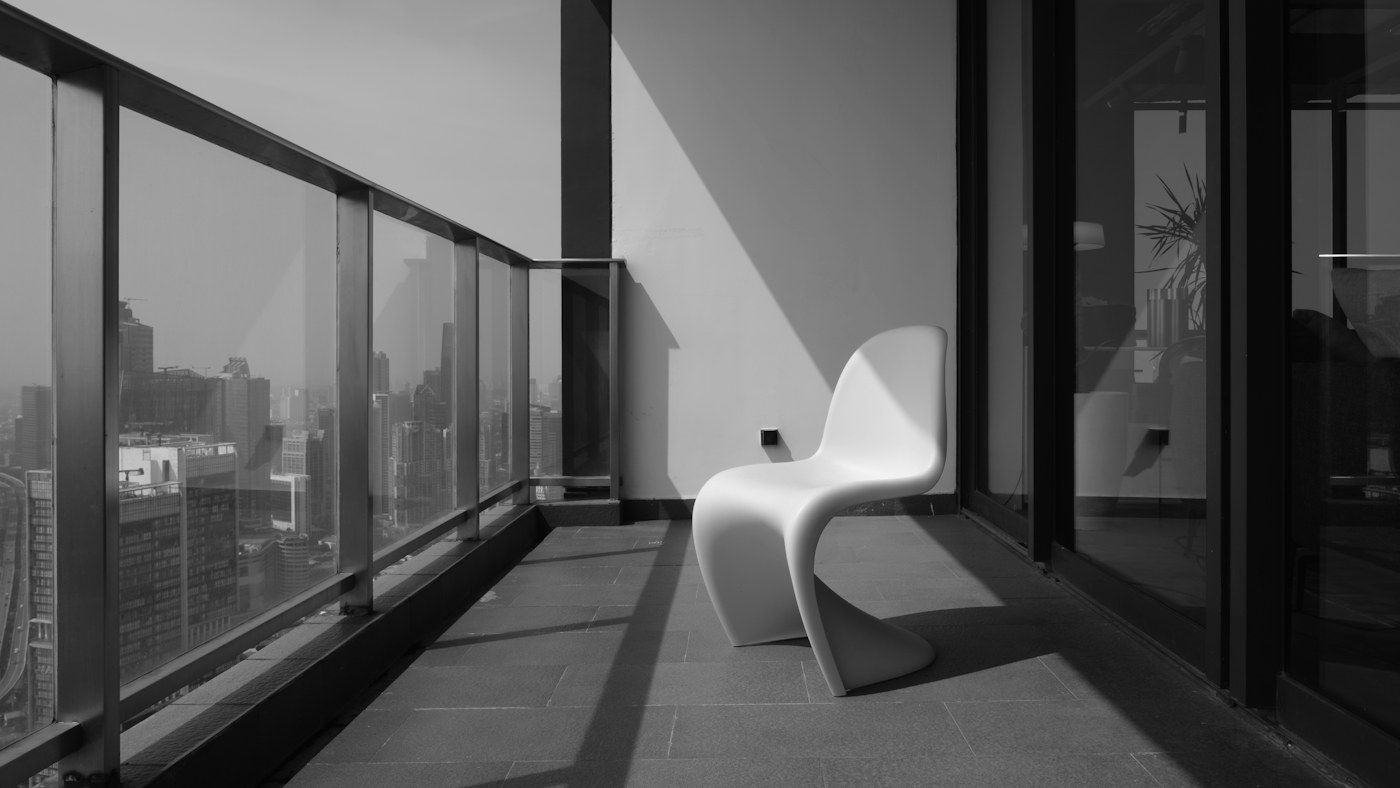
Balcony privacy is usually a problem of one or two sightlines, not a need to hide the entire outdoor space. A neighboring window may face your chair, or people on a shared walkway may see straight through the balcony door into the room.
Identify the uncomfortable view before choosing a screen. A small layout adjustment may help more than a tall barrier, and it will not introduce a new installation or weather problem. Start with the least complicated solution that addresses the actual situation.
Map privacy from the position you use
Sit in the proposed chair and look toward the areas that make you feel exposed. Then stand inside the room and check what can be seen through the open door. These are different privacy needs. An outdoor screen may soften the view of your seat while doing little for the interior after dark.
Note whether the issue is direct visibility, movement in your peripheral view, strong sun, or a desire for a calmer background. Use a sketch with arrows rather than a shopping list. The solution for afternoon glare may be unsuitable for an overlooked seating spot.
Check the view at different times of day. A sheer indoor curtain may feel private in daylight but look different when the room is lit at night. Avoid testing by photographing neighbors or their private spaces; your own position and ordinary view are enough.
Ask about the building’s approved options
Read the lease or building handbook and ask management specifically about screens, outdoor curtains, shades, plants, and any attachment to walls or railings. Rules may concern appearance, fire requirements, wind, access, and maintenance. One resident’s existing arrangement does not establish that yours is approved.
Ask whether the building has a permitted product or installation system. If it does, obtain the details and use the required installer or method. Do not drill, clamp, cable-tie, or otherwise modify railings based on generic online instructions.
Keep required access, drainage, and service points clear. A privacy barrier is not a replacement for a guardrail or other fall-protection arrangement. This guide covers choices and placement, not structural design or safety-barrier installation.
If the rules prohibit outdoor screening, use the balcony layout and suitable indoor window treatments to make the space more comfortable within those limits.
Try moving the seat before adding an object
Rotate the chair so you face the view you prefer, with the less comfortable sightline to the side or behind you. Move it toward an approved sheltered part of the balcony if that improves both privacy and comfort.
Check the door and access route in the new arrangement. A chair that feels secluded because it fills the whole corner may be difficult to get out of. Keep it away from the railing where it could provide climbing access for children.
A pair of chairs set at an angle can create a more inward-facing conversation area. You may need fewer decorative pieces because the arrangement itself gives the space a purpose. Test it with the furniture you already own before buying a partition.
Sometimes the best change is choosing another time or activity for the balcony. If evening privacy is limited, it may be more enjoyable as a morning coffee spot, while the indoor room becomes the private evening space.
Separate shade from visual screening
Shade reduces sun exposure in a particular area; screening changes what can be seen. A fabric that provides one function may not provide the other. Product descriptions such as light filtering, privacy, or sun shade need to be read in context with dimensions and operating instructions.
For a shade product, consider the actual path of the sun and where people will sit. A shade that looks generous overhead may leave the chair exposed to low afternoon sun. Building-approved systems should be planned with the appropriate professional where necessary.
Avoid improvised sails, tarps, or overhead fixtures. Wind and installation requirements cannot be worked out from a photograph. If a product needs fixed supports or anchoring that the building has not approved, it is not ready to be part of your layout.
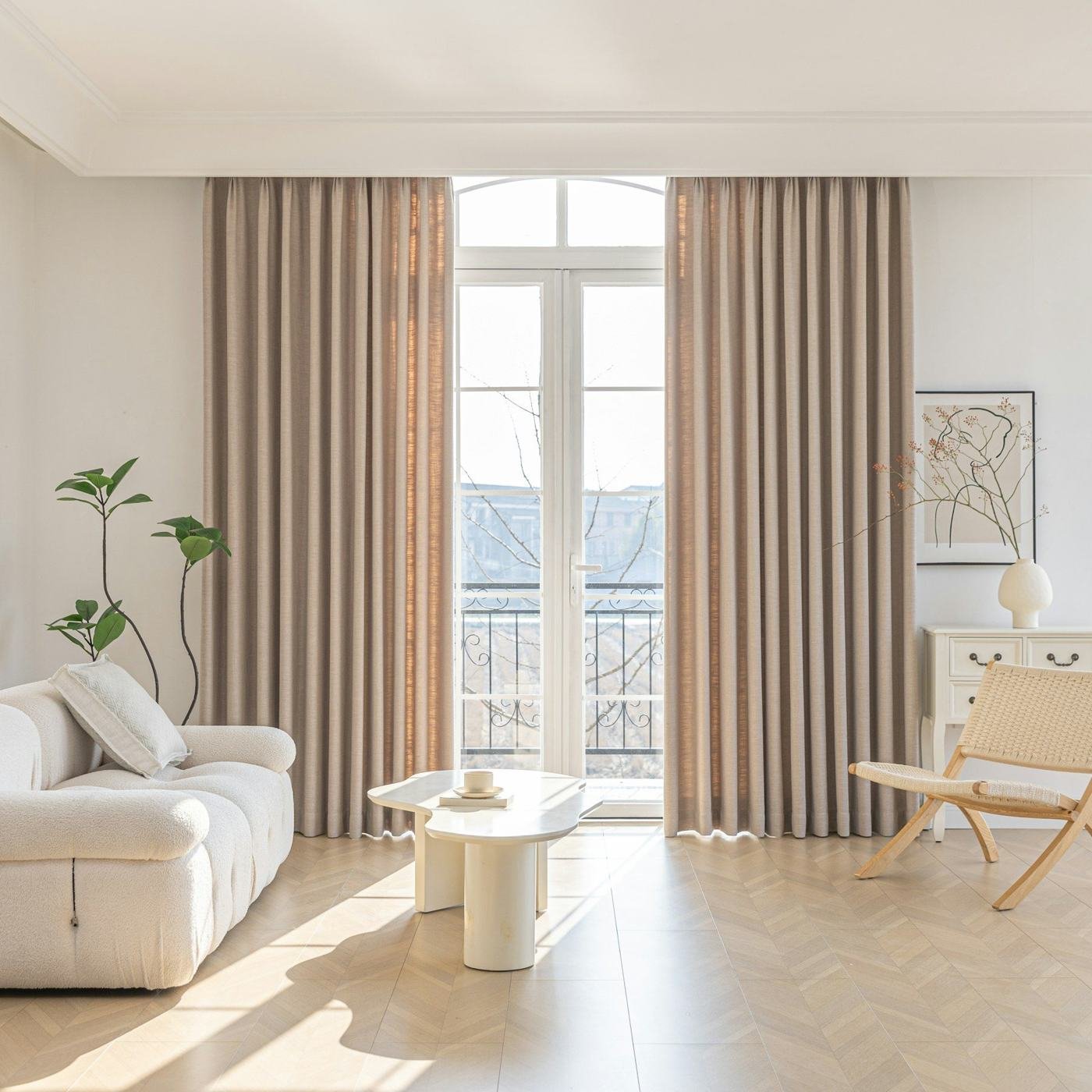
Indoor curtains or blinds may solve glare and interior privacy without needing a balcony installation. Keep door operation, ventilation, and any required escape access available.
Use plants for a softer view when appropriate
A modest plant group can give your eye a more pleasant foreground. It does not have to form a complete wall to improve the feeling of a balcony. Choose plants for the actual light, wind, local climate, and mature size.
Keep pots inside the balcony in building-approved positions. Do not set them on top of the railing, hang them outside it, or build a tall planter structure as a shortcut to privacy. Confirm any capacity or installation questions through management and the appropriate professional.
Consider maintenance and seasonal gaps. A plant that loses leaves or needs to come indoors in your climate will not provide the same screening all year. A tall fast-growing plant may require more space and care than the small balcony can comfortably provide.
If the main need is privacy after dark, plants may be a decorative supplement rather than the primary solution. Assess the sightline at the height and season when you will use the space.
Evaluate an approved screen as a complete system
Look beyond color and height. Check the product’s intended outdoor environment, manufacturer’s operating conditions, approved supports, and storage instructions. A freestanding item can still be unsuitable on an exposed balcony.
Consider how the screen changes your access and light. A broad panel can make the indoor room darker or leave the chair with no convenient exit. If it must be stored whenever conditions change, identify the storage place before buying.
RHS explains that balcony conditions can be strongly affected by wind and nearby barriers. That is a reason to assess exposure carefully, not a basis for choosing a do-it-yourself structural solution. Management and product guidance should determine what is suitable for the specific site.
Check material and fire requirements with the building. London Fire Brigade advises keeping balconies clear of flammable items. Decorative fabric, artificial foliage, or a natural woven screen should not be assumed acceptable simply because it is marketed for outdoor use.
Keep neighbors and maintenance in the plan
Place approved items so they stay within your space and do not obstruct a shared route or interfere with another unit. Think about watering runoff, noise from loose components, and the view from common areas.
Do not attach anything to shared elements or reach outside the balcony to make adjustments. If maintenance requires access beyond your safe reach, the product is not a simple portable choice for your situation.
Keep your privacy request specific and calm when discussing it with management. A photo of your own balcony, the intended item’s dimensions, and its product instructions can help them assess it. Avoid presenting an already-installed screen as a request for permission after the fact.
Choose the smallest effective change
Start with seating position, then an appropriate indoor treatment if needed, then approved outdoor options. Test each change before layering another one onto it.
Reassess the balcony in ordinary use. Can you enter carrying a cup, sit comfortably, open the door, and put loose items away when the weather changes? Does the room still receive the daylight you enjoy?
Good privacy makes a space easier to use without turning it into an enclosure. A targeted solution can soften the view that bothers you while preserving the openness that made the balcony appealing in the first place.
Sources & further reading
For the factual or product-specific points referenced in this guide. Check the current instructions for your own products and space.
Make it work for your home.
These are planning ideas. Your room, your routines, and your product instructions come first.Our guides are researched and developed with AI assistance, then reviewed for usefulness, clarity and consistency. Read our editorial policy.