The useful bit, first
- Rank problems by how often you notice them, then fund the most useful improvement first.
- Compare the complete cost of delivery, fittings, care, and removal before choosing a bargain.
- Try rearranging, editing, and repairing appropriate items before adding more furniture.
A limited decorating budget works best when it has one clear job. “Make the apartment nicer” leaves room for almost any purchase. “Make the sofa corner comfortable enough to read in the evening” points toward lighting, a useful surface, and perhaps a better cushion before it points toward a new sofa.
The goal is to improve the experience of living in your home. Some changes also photograph well, but the photograph should not be the measure of success. Start with the places you use most and the irritations you encounter repeatedly.
Make an irritation list before a shopping list
Walk through the home during an ordinary day. Write down the moments that feel inconvenient: the dark entryway, the dining chair that blocks the cupboard, the loose pile of shoes, or the blanket that never has a place. Be specific about what is happening.
Give each problem two simple notes: how often it happens and whether it affects comfort, access, storage, or appearance. A daily inconvenience deserves more attention than an empty corner you notice only when looking at a photo.
Pick one priority for this round. You can keep the others on a waiting list. This reduces the chance of spreading the budget across several decorative items while leaving the main problem unchanged.
Try the changes that do not require a purchase
Rearrange using what you have. Move a reading lamp to the chair actually used for reading. Try the smaller side table at the busy end of the sofa. Remove an extra dining chair from a tight route if it has a sensible alternative home.
Edit surfaces. A console full of small objects can feel less settled than the same console holding a few useful and meaningful things. Move the rest into a designated storage space, or decide whether you still want them. Avoid moving clutter into another daily-use area simply to improve one view.
Clean and care for existing items according to their instructions. Washing suitable removable covers, adjusting approved cabinet hinges through the appropriate maintenance process, or changing the arrangement of bedding can make a room feel different. Do not experiment with harsh cleaning or unapproved repairs on property fixtures.
Live with the rearrangement for several days. If the problem is solved, the budget can remain unspent. A refresh does not become more successful merely because you used the entire allowance.
Spend on function first, then the visible finish
A useful order is comfort, task support, storage, and decoration. Your order can differ, but give each purchase a reason. A new rug may be a good first step if the seating area needs definition and the floor treatment suits your routine. It may be a weak first step if you cannot comfortably use the desk you sit at all day.
For a reading corner, the first purchase might be an appropriate lamp. For a rented bedroom with poor evening privacy, it might be a compatible window covering. For an entryway, it might be a small shelf or shoe solution allowed by the property. None of these requires the whole room to be replaced.
Choose the smallest number of objects that solves the problem. A coordinated collection of six storage baskets can cost more and be harder to use than one cabinet you genuinely need. Matching is not a functional requirement.
Set a spending ceiling for the whole job
Write a maximum total in your own currency. Reserve some of it for the parts people forget: transport, hardware, an appropriate underlay, assembly, approved installation, and cleaning. Prices vary by market, so a fixed online list of supposed bargain prices is less useful than your actual local total.
For a curtain update, list the panels, rod or track components if needed, hooks, and any hemming. For a secondhand table, include delivery and any suitable maintenance. If the total exceeds the ceiling, simplify the project rather than making each component cheaper without checking quality or compatibility.
A helpful comparison is to record three options: use what you own, buy a modest version, and buy the preferred version. Note what each option changes in daily life. Sometimes the preferred finish adds little practical benefit; sometimes a better-sized piece is worth waiting for.
Choose one visual improvement with real impact
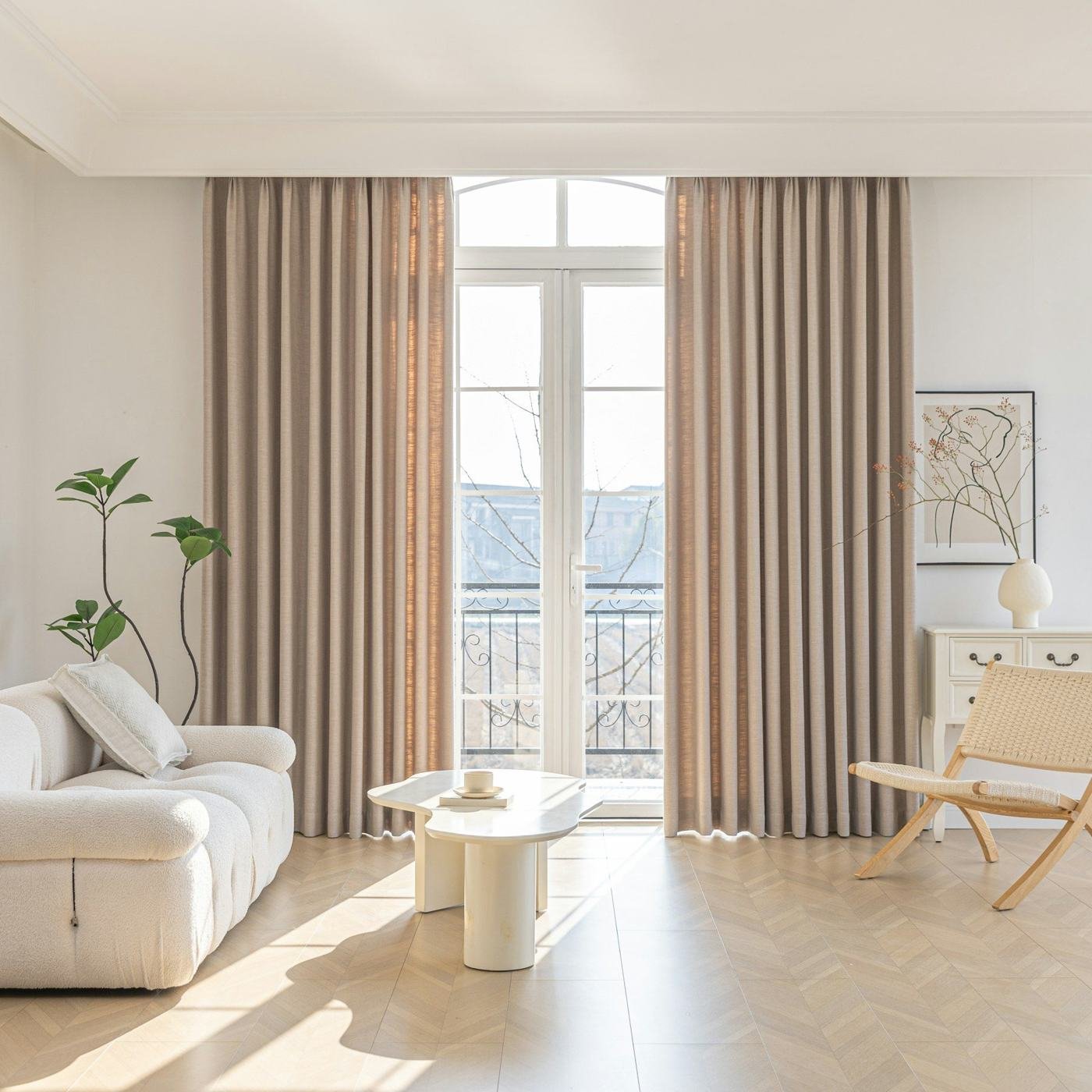
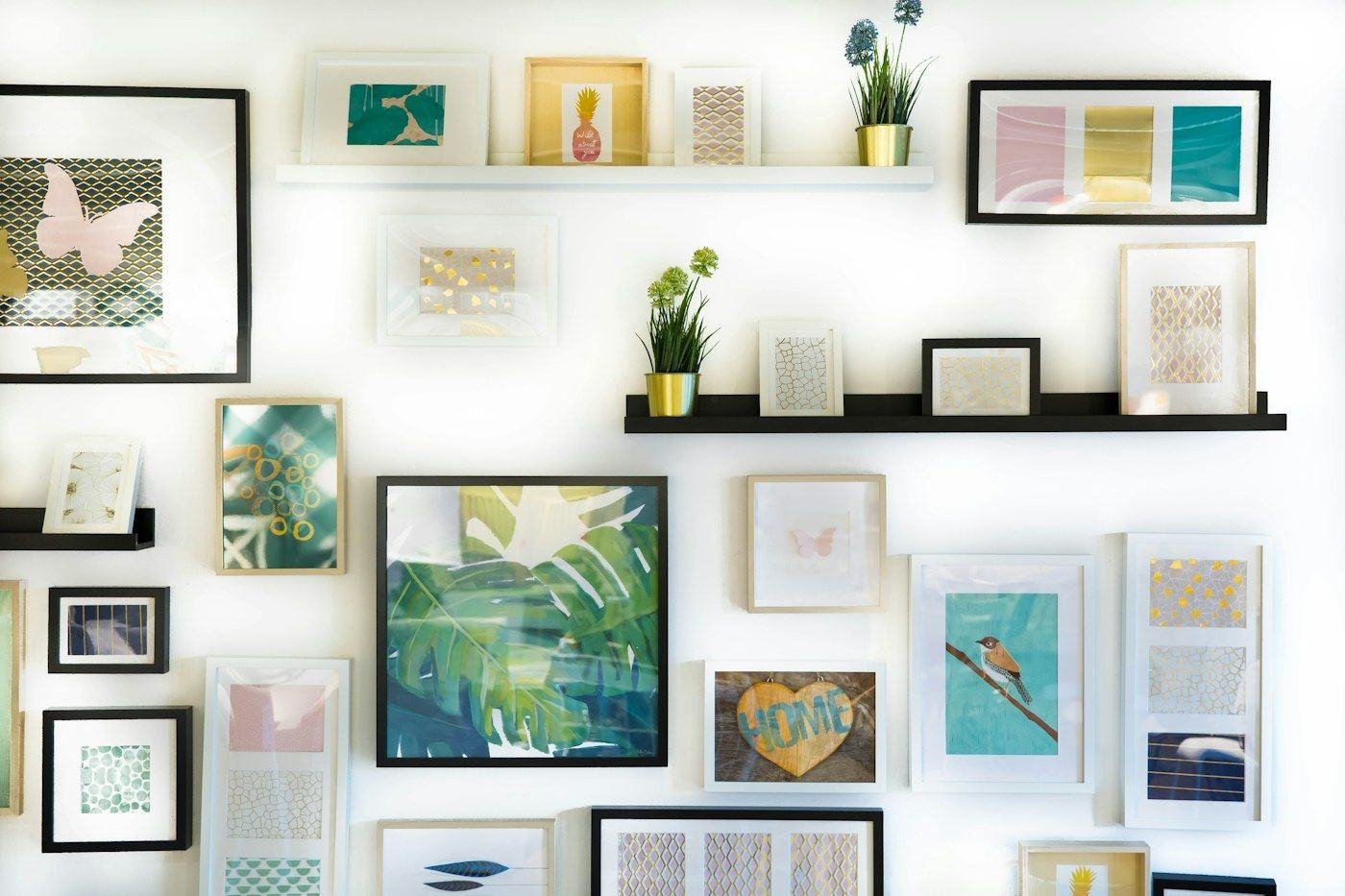
After the room works, select a visible element that carries the refresh. This might be new cushion covers, curtains, a framed print, or a lamp with a shape you love. Pick the item in relation to the largest surfaces already in the room.
Repeat a color from that item in one or two smaller places if you like. A muted green curtain can relate to a print and a small ceramic bowl without requiring every object to turn green. Repetition is useful because it can make a mixed collection feel considered.
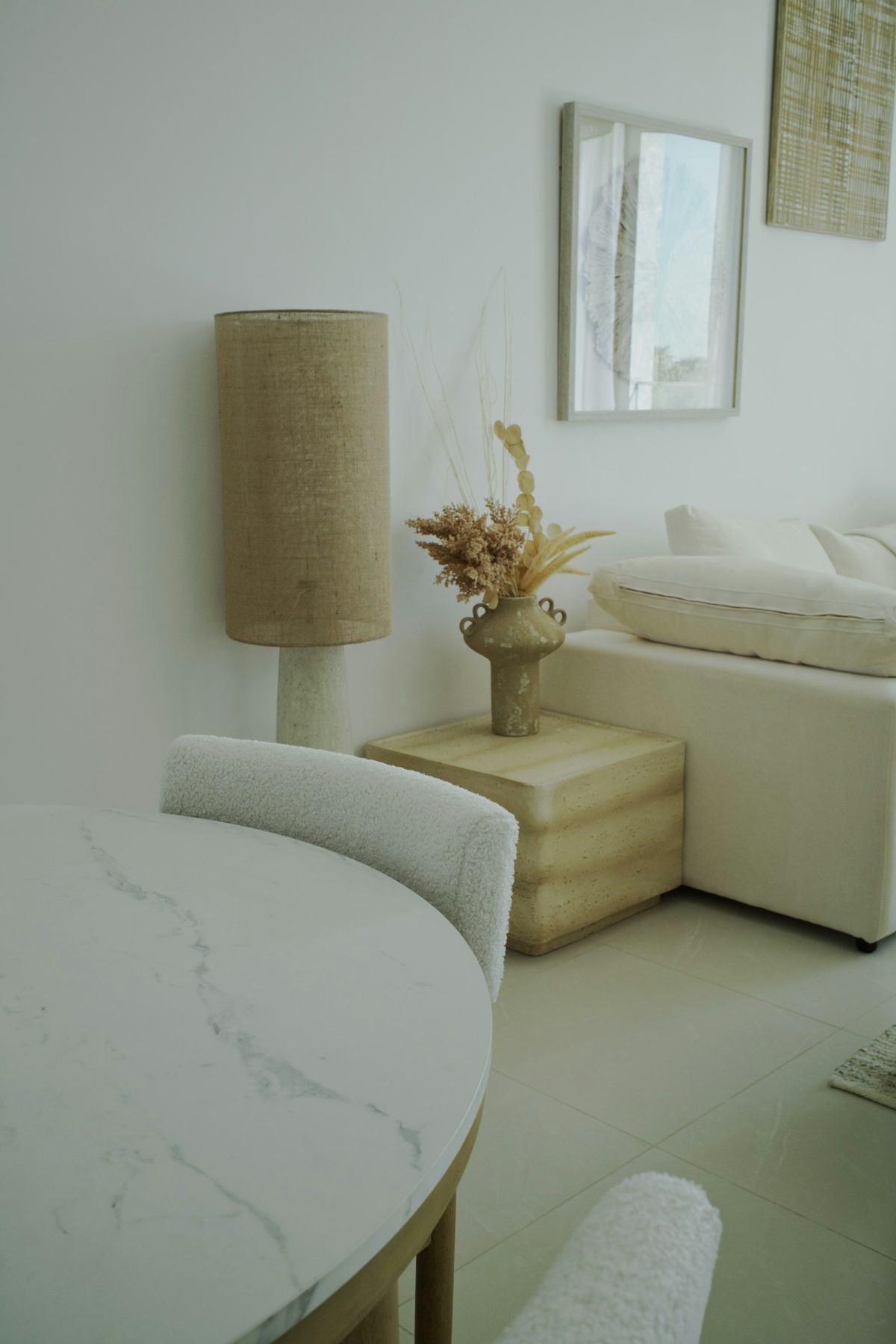
Texture can change the room without adding more color. A woven throw on a plain sofa or a simple wood tray on a smooth table may provide enough contrast. Check whether the new texture fits your cleaning habits and anyone’s needs in the household.
Skip automatic additions such as extra pillows, decorative ladders, and baskets unless they have a purpose. An object that needs storage when it is not being photographed creates another job for a small home.
Evaluate used furniture beyond the attractive price
Measure the piece, the room, and the route into the home. Ask for useful photos of the underside, fittings, corners, and worn areas. Inspect condition in person when possible, including stability, odors, damaged parts, and the way drawers or moving components work.
Check that the item still has the hardware and instructions needed for appropriate use. A missing fixing or broken support is not simply a cosmetic flaw. Be cautious about unfamiliar upholstered items and follow local guidance for inspection and cleaning; do not assume a fabric freshener resolves every concern.
Furniture anchoring requirements still apply to used pieces. CPSC advises anchoring furniture to reduce tip-over hazards. If a chest or shelf requires an attachment, plan the approved installation in your rental rather than treating secondhand status as a reason to skip it.
Also ask whether the piece fits more than one likely future layout. A very cheap oversized cabinet can be costly to transport, difficult to place, and expensive to replace.
Use a waiting period for the extras
Save the product details rather than immediately adding items to the cart. Keep dimensions, total cost, the problem solved, and the return policy together. If you cannot state what the object improves, leave it on the waiting list.
Compare the saved item with the room after the first change. Once the lamp is in place, you may discover that the side table is fine. Once the entryway is organized, you may stop wanting a decorative bench that would block the door.
Decide in advance where the old item will go if you replace it. Selling, donating where accepted, passing it on, or suitable local recycling takes time and sometimes transport. Do not let a refresh leave two versions of the same furniture in a room already short on space.
Check the result during an ordinary evening
Use the space as you normally would. Read in the chair, open the cupboard, sit at the table, and put the day’s belongings away. The new arrangement should make at least one of those activities easier.
Record what worked before starting another round. A small home improves through specific decisions, and it is easy to forget which change actually mattered. Your next budget can follow the evidence of your own routine.
Keep a portion unspent when the room feels good. A clear surface, a useful lamp, and furniture that fits can look quietly confident. The best refresh leaves you with a more comfortable home and fewer unnecessary decisions waiting behind it.
Sources & further reading
For the factual or product-specific points referenced in this guide. Check the current instructions for your own products and space.
Make it work for your home.
These are planning ideas. Your room, your routines, and your product instructions come first.Our guides are researched and developed with AI assistance, then reviewed for usefulness, clarity and consistency. Read our editorial policy.